Learn how to build mental resilience at work with practical strategies used in high-performance environments. Simple tools to stay calm, focused and adaptable.
Introduction
Resilience is one of those words that gets used a lot in the workplace but too often, it’s misunderstood.
It’s not about being tough, pushing through, or pretending things aren’t difficult when in reality, especially in people-focused roles, it can’t be.
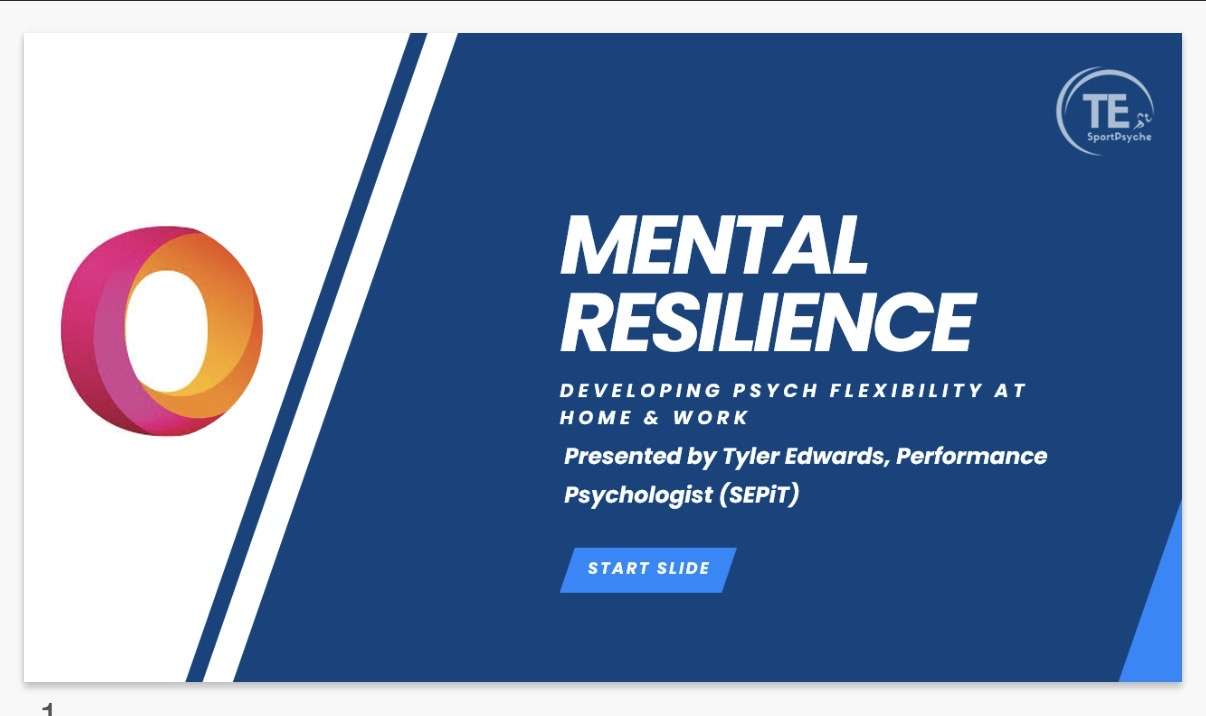
Where we support families through bereavement every day, resilience isn’t optional. Which is exactly why we explored it in our latest Laurelo Lift Lunch & Learn, led by performance psychologist Tyler Edwards.
What mental resilience really means at work
Put simply, resilience is your ability to adapt to changing situations, pressure and uncertainty.
In high-performance environment, whether that’s elite sport or emotionally demanding professions, the people who perform best aren’t the ones who never struggle, they’re the ones who can adjust, stay clear-headed, and keep moving forward.
Why resilience isn’t about “just getting on with it”
One of the biggest myths around resilience is that it’s about pushing feelings aside.
In reality, that approach is exactly what leads to burnout. Resilience is about awareness, understanding how your mindset affects how you respond under pressure. Because, whether we realise it or not, our internal dialogue is constantly shaping how we feel, how we act, and ultimately how we cope and if that goes unchecked, it can quietly work against us.
A practical approach to building resilience
Rather than overcomplicating things, the session focused on simple, practical ways to build mental resilience day to day.
The key?
Learning to recognise and reset unhelpful thinking patterns early, this doesn’t mean ignoring reality or forcing positivity. instead it means:
- pausing long enough to notice what’s going on
- questioning whether it’s helping or hindering
- and making small, intentional adjustments
Done consistently, these small shifts can have a big impact on how we handle pressure, communicate with others, and look after ourselves.
Why this matters in people-focused roles
In roles like ours, resilience isn’t just about personal performance, it directly affects the people we support.
When we’re able to stay calm, grounded and clear:
- families feel more reassured
- communication improves
- decisions are made more effectively
But just as importantly, it protects our own wellbeing because you can’t consistently support others if you’re running on empty.
Building resilience is an ongoing skill
There isn’t a one-size-fits-all solution. Resilience is something you build over time, through awareness, reflection, and the right tools.
For us, sessions like this are part of a wider commitment to supporting our team properly, not just expecting them to “deal with it”.
Want to go deeper?
This session only scratched the surface of what’s possible when it comes to developing mental resilience.
If you’re looking to strengthen resilience within your team, or want to explore this further personally, Tyler offers practical, tailored support across both workplace and performance environments.

Get in touch with Tyler Edwards
(Laurelo contacts can also access a complimentary first session with Tyler using the code LAURELO.)
Recent Posts

30 March 2026
SAIF Launches SAIF Probate In Partnership With Laurelo To Strengthen Support For Bereaved Families
Read More

9 March 2026
When Experience Doesn’t Prepare You – A Retired Police Officer’s Experience of Probate Support
Read More

9 March 2026
Funeral Planning – How To Start The Conversation About Your Own Goodbye
Read More

19 February 2026
Can You Die Of A Broken Heart?
Read More
19 February 2026
How To Spot An Original Will
Read More

19 February 2026
Paul Radcliffe on Dying for a Cuppa® – A Candid Conversation About Death, Support and Probate
Read More