
60% of estate planners have encountered client inquiries about digital assets.
Some 90% of estate planners anticipate an increase in client demand for advice on managing these assets.
Approximately 1 in 5 estate planners deal with digital assets on a monthly basis.
Estate planners often face challenges when attempting to access a deceased person’s online accounts. 18% of estate planners have been asked about obtaining access to such accounts, highlighting the need for comprehensive strategies to address this issue.
Digital assets encompass a wide range of items stored electronically that hold financial, personal, or sentimental value. It’s crucial to recognise and include them when planning for the distribution of an individual’s estate. Let’s explore some common types of digital assets:
C R Y P T O C U R R E N C Y
Cryptocurrency refers to digital or virtual currencies, such as Bitcoin or Ethereum, that use cryptography for secure transactions. These assets hold monetary value and require specialised knowledge to manage and transfer.
N F T S ( N O N – F U N G I B L E T O K E N S ) :
NFTs represent unique digital assets, such as artwork, music, or collectibles, which are verified using blockchain technology. These assets have gained popularity and require special consideration due to their distinct characteristics.
D O M A I N N A M E S
Domain names are valuable digital assets, especially if they are associated with a well-established brand or have high traffic. They can hold significant commercial value and need to be managed appropriately during estate planning.
C O M P U T E R S O U R C E C O D E
Computer source code refers to the underlying instructions that power software applications. If the deceased person had ownership or intellectual property rights over software code, it becomes an essential digital asset to consider during estate planning.
W E B S I T E S / H I G H – V A L U E S O C I A L M E D I A A C C O U N T S
Websites and social media accounts with a substantial following or commercial potential are digital assets that require attention. They may generate income or hold sentimental value for the deceased person’s loved ones.
G A M B L I N G A C C O U N T S
With the increasing popularity of online gambling, digital assets such as gambling accounts or virtual casino items can have monetary value. It’s crucial to identify and address these assets during the estate planning process.
Recent Posts

9 March 2026
When Experience Doesn’t Prepare You – A Retired Police Officer’s Experience of Probate Support
Read More

9 March 2026
Funeral Planning – How To Start The Conversation About Your Own Goodbye
Read More

19 February 2026
Can You Die Of A Broken Heart?
Read More
19 February 2026
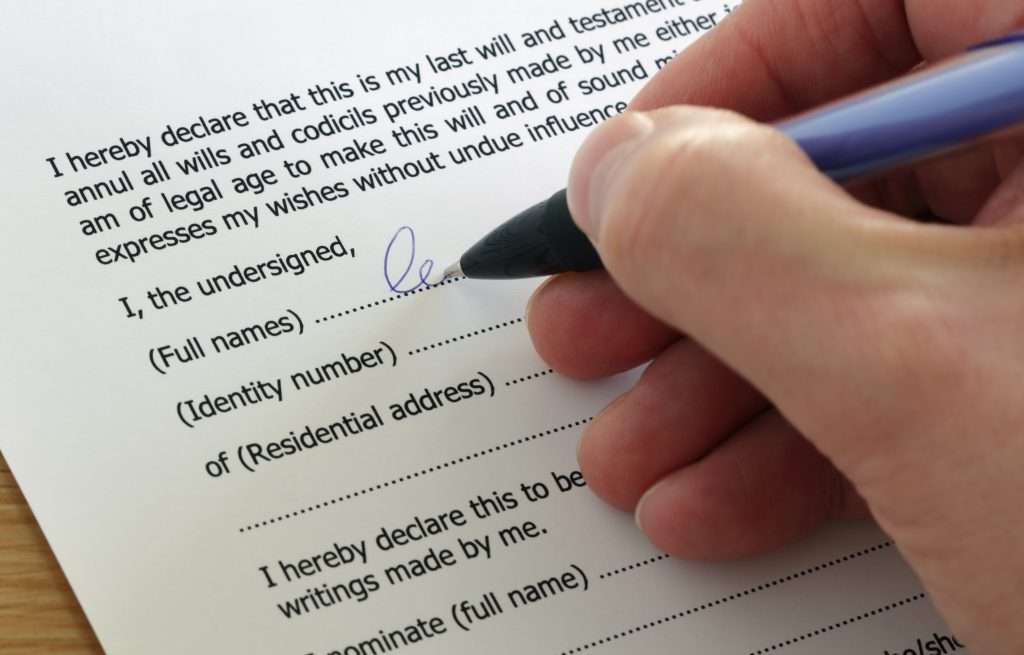
How To Spot An Original Will
Read More
19 February 2026
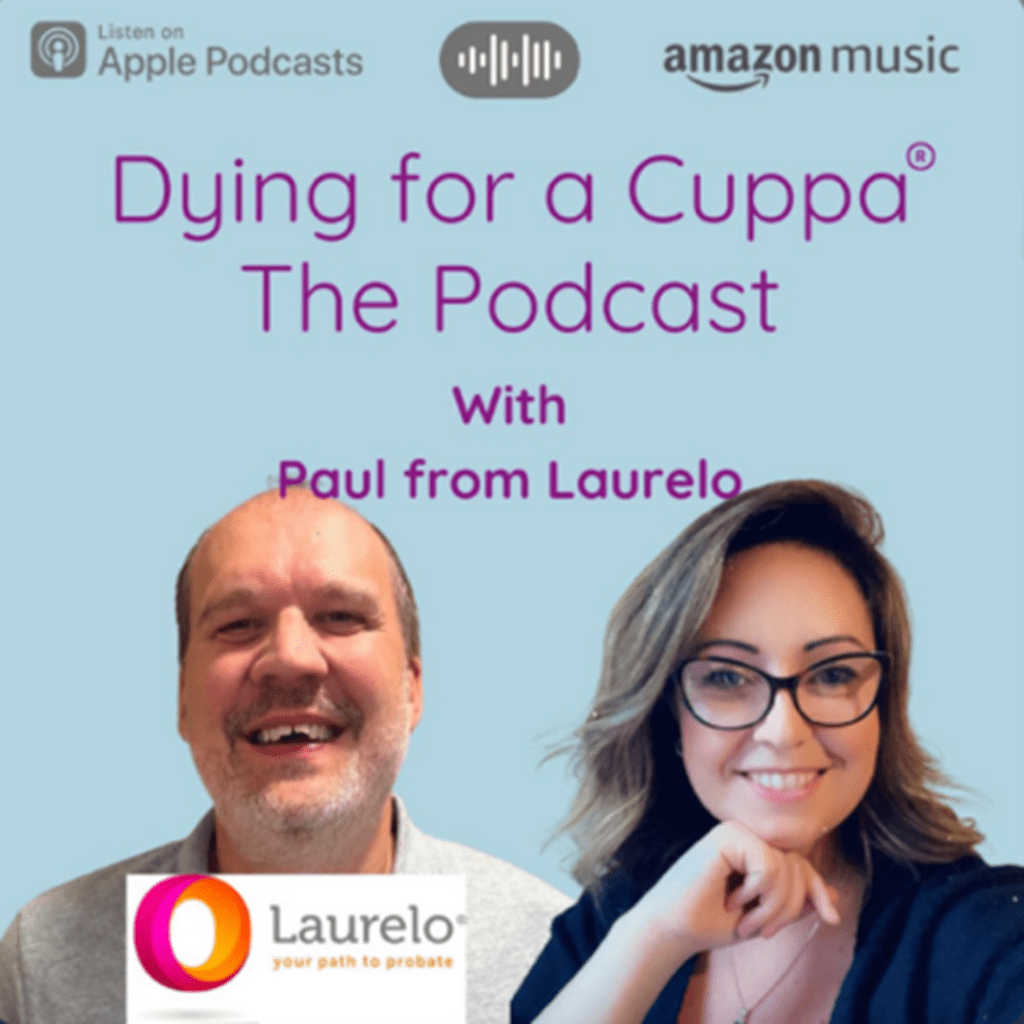
Paul Radcliffe on Dying for a Cuppa® – A Candid Conversation About Death, Support and Probate
Read More

10 February 2026
Putting Families First In Probate, Not Awards
Read More